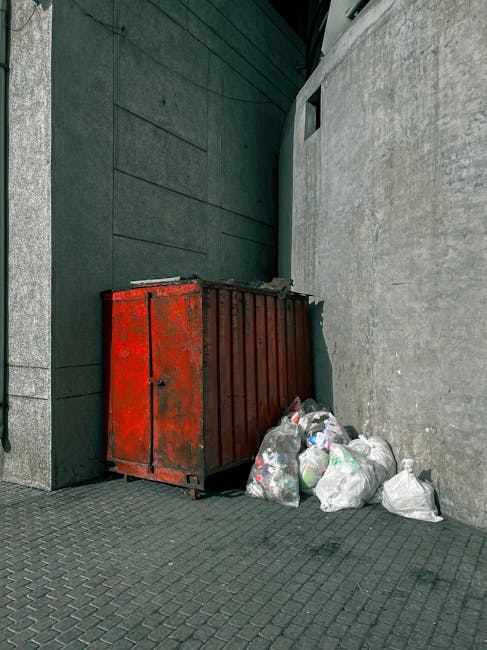
5 Common Rubbish Disposal Myths That Cost You Money
Rubbish disposal sounds simple until the bill arrives. Then the small assumptions start to bite: that the council will take anything, that skip hire is always cheapest, that "free" clearance is really free. In practice, 5 Common Rubbish Disposal Myths That Cost You Money can add up quickly through extra collection fees, missed trips, sorting costs, and even avoidable fines if waste is handled badly. If you have ever stood beside a pile of broken furniture, garden cuttings, or builders' rubble and wondered what the smartest move is, you are in the right place.
This guide breaks down the most expensive myths, explains what actually happens behind the scenes, and helps you make better disposal decisions with less stress. We will also cover practical options such as rubbish removal, council services, and specialist collections, so you can compare them properly rather than guessing and hoping for the best. Let's face it, waste is one of those household chores that feels minor right up until it turns into a weekend-eating headache.
By the end, you will know where money is commonly wasted, how to avoid the usual traps, and when it makes sense to choose a faster, safer, more efficient route. A little clarity goes a long way here.
Quick takeaway: Most rubbish disposal costs are not caused by the waste itself, but by poor planning, wrong assumptions, and picking the wrong method for the job.
Table of Contents
- Why these rubbish disposal myths matter
- How rubbish disposal really works
- Key benefits of understanding the myths
- Who this is for and when it makes sense
- Step-by-step guidance
- Expert tips for better results
- Common mistakes to avoid
- Tools, resources and recommendations
- Law, compliance, standards and best practice
- Options, methods and comparison table
- Case study or real-world example
- Practical checklist
- Conclusion
- Frequently asked questions
Why 5 Common Rubbish Disposal Myths That Cost You Money Matters
People usually think rubbish costs money only when they pay for a collection. But the real expense often sits elsewhere: repeat trips to the tip, oversized loads, extra labour, wasted fuel, rushed decisions, and clutter that hangs around for weeks. Those are hidden costs, and they are easy to miss when you are trying to get on with daily life.
The five myths in this article matter because they influence the way people plan disposal. And poor planning is expensive. If you assume your council will collect everything for free, you may end up storing waste longer than you should. If you assume the cheapest option is the best option, you may discover that time, lifting effort, and disposal restrictions create extra costs anyway. If you assume mixed waste is fine to leave unsorted, you can end up paying more for the sorting time later.
There is also a safety side to this. Heavy items like wardrobes, mattresses, fridges, and broken furniture are awkward at the best of times. Dragging them through a hallway or down stairs because you wanted to avoid a collection fee can be a false economy. We have all seen the aftermath: scuffed walls, sore backs, and that slightly defeated look people get when they realise the "cheap" plan was not cheap at all.
In London and across the UK, disposal choices are often shaped by access, parking, building rules, and whether your waste is household, garden, bulky, or construction-related. So the myth that there is one universal best way to get rid of rubbish is, well, not really true. Different waste needs different handling.
Understanding the myths helps you spend less, waste less time, and avoid nasty surprises. That alone is worth it.
How 5 Common Rubbish Disposal Myths That Cost You Money Works
The phrase may sound a bit dramatic, but the mechanism is straightforward. A myth creates a bad assumption. The assumption leads to the wrong disposal method. The wrong method creates extra effort or extra charges. Then the bill lands and you wonder where the money went.
Take a simple example. Someone clears a garage and assumes the council large-item service will take a sofa, a fridge, a mattress, and a pile of mixed junk in one go. If that service has item limits, booking rules, or exclusions, the job may need multiple collections or a different solution. That is how one misunderstanding becomes two costs and a wasted day.
Another example: a person hires a skip for a small amount of household waste. The skip sits half-empty, takes up space outside the property, and maybe needs permits or access checks. The result? More money spent than needed. For some clearances, a direct load-and-go collection is simply more practical.
The key is matching the disposal route to the waste type, volume, access, and urgency. In plain English, choose the method that fits the job rather than trying to force the job into whatever option seems familiar.
What usually drives the cost up
- Wrong waste category - mixed items that could have been separated first.
- Underestimating volume - a van-load job treated like a few bags.
- Access issues - stairs, tight hallways, limited parking, or waiting around for residents.
- Extra handling - dismantling furniture, moving items from lofts, or sorting recyclables.
- Delayed action - waste left too long, creating more clutter and more pressure.
The better you understand the process, the easier it becomes to spot where money leaks out. And honestly, that awareness is half the battle.
Key Benefits and Practical Advantages
Knowing the myths is not just about saving a few pounds here and there. It improves the whole disposal process. You make faster decisions, ask better questions, and avoid choices that feel cheap but behave expensively.
Here are the main practical benefits:
- Lower total cost - because you avoid repeat collections, over-ordering, and unnecessary labour.
- Less wasted time - no multiple tip runs when one organised collection would have done the job.
- Cleaner results - waste is removed properly instead of being shoved from one corner to another.
- Better safety - fewer heavy lifts, fewer awkward carries, fewer DIY mishaps.
- More predictable planning - you know what can be collected, how it should be prepared, and what might cost extra.
- Less stress - and truth be told, that matters just as much as the numbers.
There is also a sustainability angle. Proper sorting and correct disposal can improve recycling outcomes. For people trying to reduce waste footprint, that is a meaningful bonus rather than a marketing phrase. If sustainability matters to you, it is worth looking at recycling and sustainability alongside the practical cost side.
A quick reality check
Not every cheap solution is actually cost-effective. Sometimes a slightly higher upfront cost saves you a second round of spending, a parking headache, or half a day of your life. Not glamorous. Still true.
Who This Is For and When It Makes Sense
This guide is useful for anyone dealing with unwanted items, but it is especially relevant if you are facing a clear-out with a deadline. That might be a house move, end-of-tenancy clean-up, post-renovation rubble, or the slow accumulation of "we'll deal with that later" items in the garage.
You may find it helpful if you are:
- a homeowner trying to clear a loft, shed, or spare room
- a tenant preparing to leave a flat and avoid deductions
- a landlord or letting agent dealing with left-behind items
- a small business owner with office clutter or old stock
- a tradesperson finishing a project and needing builders' waste cleared
- someone comparing council collection against private waste removal
It also makes sense if you have awkward items that do not fit into normal bins: sofas, mattresses, white goods, garden debris, broken furniture, or mixed waste from a refurbishment. For those jobs, specialist services such as furniture clearance or builders' waste clearance can be more efficient than trying to do it all yourself.
And if you are in a hurry, the myths matter even more. A rushed decision is where people usually overpay. It happens. You get a free hour on a Saturday, the pile looks worse than you remembered, and suddenly every option feels urgent. That is exactly when a clear plan helps most.
Step-by-Step Guidance
Here is the practical bit. If you want to avoid costly mistakes, use a simple process before booking any disposal method.
1. Identify the waste type
Start by separating household rubbish, bulky items, garden waste, electricals, and construction debris. This sounds basic, but it is where savings often begin. A mixed pile is usually more expensive to deal with because it takes more sorting and can limit recycling options.
2. Estimate the volume honestly
Look at the waste as it really is, not as you hope it is. One sofa is not the same as a sofa, two mattresses, and half a shed. Overestimating may push you toward a bigger and costlier solution; underestimating may mean a second booking. Neither is ideal.
3. Check access and lifting conditions
Ask yourself a few practical questions. Is the item upstairs? Is there parking nearby? Does the building need notice or lift protection? Can the item be carried safely without dismantling? These details influence the actual cost more than most people expect.
4. Compare disposal routes
You can usually compare three broad options: council collection, skip hire, or a private rubbish removal service. Council services may work well for certain items and can be cost-effective when the schedule suits. Skips suit larger ongoing projects. Private collections are often better for speed, awkward access, and jobs that need lifting out of the property.
5. Ask what is included
Never assume the price covers everything. Ask whether loading, labour, disposal, stair carry, mattress handling, or fridge removal is included. It sounds tedious, but one vague quote can become a very expensive lesson.
6. Prepare the waste before collection
Put items in a sensible place if you can safely do so. Keep prohibited items separate. If possible, remove small personal belongings from drawers or cupboards before clearance. A little prep often reduces time on site and helps keep the cost down.
7. Choose the least wasteful option, not just the cheapest headline price
This is the part many people miss. A low quote is useful only if it solves the problem cleanly. If it creates extra labour, extra time, or another booking, the "cheap" choice may not be cheap at all.
Expert Tips for Better Results
In our experience, the best savings come from small decisions made early. Not dramatic ones. Small, sensible ones.
Tip 1: Separate reusable, recyclable, and true waste
Before anything leaves the property, decide what can be reused or recycled. Old furniture, for example, might be better handled through furniture disposal or a furniture-specific collection if the item is too large to move alone. Fridges and freezers need more careful handling than a normal bag of rubbish, and the same is true for many electrical items.
Tip 2: Treat bulky waste as a planning job, not a lifting job
People often focus on strength when the real issue is logistics. Bulky waste is usually expensive because it is awkward, not because it is glamorous. Measure doors, check stairs, and think about the route out of the property before collection day.
Tip 3: Avoid the "one more thing" habit
It is very common to keep adding items to a collection pile. A few extra bags turn into a cupboard, then a broken chair, then an old printer. Be strict. If it is going, decide now. That avoids price creep.
Tip 4: Ask for a clear scope of work
A good provider should be able to explain what they will take, what they will not take, and how they price access or specialist items. That clarity protects both sides. No mystery charges. Everyone prefers that.
Tip 5: Keep an eye on disposal standards
Even when a service is quick, you still want responsible handling. Companies that talk clearly about waste disposal and waste removal practices usually give you a better sense of how the job will be managed. Good operators do not need to oversell; they explain the process plainly.
Expert summary: The cheapest rubbish solution is rarely the one with the lowest quote. The real win is the option that avoids repeat handling, reduces access problems, and fits the waste type first time.
Common Mistakes to Avoid
These are the traps that cost people money most often. Some are obvious in hindsight. At the time, not so much.
- Booking without measuring - the load is bigger than expected and the price changes.
- Assuming the council will take everything - large or specialist items may need separate arrangements.
- Leaving bulky items in awkward places - which increases labour time and risk of damage.
- Mixing problem waste with normal household waste - which makes sorting slower and more expensive.
- Ignoring access rules - parking, permits, building entry, and lift use can all affect the job.
- Choosing skip hire without checking space - not every street or property layout suits a skip.
- Not asking about specialist items - mattresses, fridges, and heavy furniture can carry different handling needs.
- Delaying the clear-out - the longer waste stays, the more it gets in the way of normal life.
There is one mistake worth calling out separately: trying to save money by doing a dangerous lift yourself. If something is too heavy, too awkward, or too damaged to handle safely, the saving is not worth it. A sore back has a way of cancelling out a bargain.
Tools, Resources and Recommendations
You do not need fancy equipment to make better disposal decisions. A few simple tools are enough.
- Measuring tape - for checking bulky item size and access width.
- Notebook or phone notes - list items before requesting a quote.
- Camera - a quick photo helps describe the load accurately.
- Bin bags or boxes - for separating small loose waste before collection.
- Basic gloves - useful for sorting sharp or dusty items safely.
- Labels or sticky notes - to mark what is staying, going, recycling, or needs special handling.
For homes and flats with a lot to clear, a structured service such as home clearance, house clearance, or flat clearance can save a surprising amount of time. If the job is more specialised, you might also look at mattress disposal, sofa removal, or white goods recycle options.
For price planning, it is worth checking a provider's pricing approach in advance. Clear quotation processes tend to reduce disputes later, which is exactly what you want when the waste pile is already taking up half the room. If you are comparing options, pricing and quotes is the sort of page that helps set expectations before anyone arrives.
Law, Compliance, Standards, or Best Practice
Waste handling is not just a convenience issue. In the UK, waste should be disposed of responsibly, and anyone producing waste has a duty to ensure it ends up with an appropriate carrier or disposal route. You do not need to become a legal expert to clear out a garage, but you do need to be careful about who takes your waste and how it is handled.
Best practice usually means:
- using a reputable waste carrier or disposal provider
- keeping rubbish separated where practical
- avoiding fly-tipping risks by never handing waste to unknown operators
- making sure hazardous or specialist items are treated correctly
- checking that the service explains what happens to collected waste
There are also practical health and safety expectations. Heavy lifting, dust, sharp edges, and awkward access all carry risk. A good provider should have sensible procedures around safe handling, insurance, and site safety. If that side of things matters to you, it is worth reading health and safety policy and insurance and safety information before booking.
For businesses, the bar is even higher. Office and commercial waste should be managed with care, and a proper business waste removal approach can help you keep operations tidy while staying on the right side of best practice. If you are dealing with a work premises rather than a home, the planning usually needs to be a bit tighter. No drama, just better organisation.
Options, Methods, or Comparison Table
Most people are choosing between a few disposal methods. The best one depends on the waste, the access, and how quickly you need it gone.
| Method | Best for | Strengths | Trade-offs |
|---|---|---|---|
| Council collection | Specific bulky items or standard household waste | Useful where available, familiar, often straightforward | May have item limits, booking windows, or wait times |
| Skip hire | Larger projects with steady waste over several days | Handy for renovation jobs and ongoing clear-outs | Needs space, may involve permits, can be inefficient for small loads |
| Private rubbish removal | Mixed, bulky, or awkward items needing fast clearing | Convenient, labour included, often faster and more flexible | May cost more than a simple council option for very small jobs |
There is no universal winner. For a single sofa, a specialist collection may make more sense than hiring a skip. For a property full of mixed rubbish after renovation, a broader rubbish clearance service may be the cleanest route. And for people with awkward items stored in the garage, a targeted garage clearance can be more efficient than trying to handle it piecemeal.
Case Study or Real-World Example
Picture a typical West London flat clear-out. Nothing dramatic. Just life. A tenant is moving out and has a worn sofa, a broken bedside table, a mattress, several black bags of old belongings, and a small fridge that stopped working months ago. The first thought is usually, "I'll do this myself and save money." Fair enough. That instinct is understandable.
But once they look closer, the reality changes. The sofa is too awkward for the stairs. The fridge is heavy and awkward to angle through the hallway. The mattress will not fit neatly in a car. A council option may not cover all the items in one visit. A skip would sit outside the block, take up space, and be overkill for the load. So the supposedly cheap plan starts to wobble.
In this sort of situation, a tailored collection is often the cleaner solution. The team can lift the items, remove the waste in one go, and leave the flat ready for handover. The customer avoids multiple trips, avoids damaging the building on the way out, and usually avoids the stress of trying to coordinate several services at the last minute. Simple in hindsight, yes. But that is often how the best saving works: less effort, less repetition, less faffing about.
The micro-lesson here is not that one service is always best. It is that the right method depends on the shape of the job. Once you see that clearly, the myths lose their grip.
Practical Checklist
Use this before you book any rubbish disposal service. It takes a few minutes and can save a lot of grief.
- Have I identified the waste type correctly?
- Do I know roughly how much needs removing?
- Are there any bulky, heavy, or awkward items?
- Have I checked stairs, lifts, doors, and parking access?
- Do I need same-day or urgent collection?
- Have I separated recyclables, reusable items, and true waste?
- Do I know whether the service includes labour and loading?
- Have I asked about mattress, fridge, or white goods handling?
- Is there a better option than hiring a skip for this job?
- Have I read the provider's safety, pricing, and service details?
If you can tick most of those boxes, you are already ahead of the usual rushed decision-making. Not perfect. Just better. And that is enough to cut a lot of unnecessary cost.
Conclusion
The real cost of rubbish disposal is rarely just the collection fee. It is the wasted time, the wrong method, the extra lift, the second booking, and the quiet frustration of realising you could have handled it more cleanly from the start. That is why 5 Common Rubbish Disposal Myths That Cost You Money matter so much. They shape the way people plan, and poor planning is where money slips away.
Once you stop believing the myths, the process becomes much easier. You can choose the right service, ask sharper questions, and avoid paying for problems that were avoidable in the first place. Whether you are clearing a flat, a garden, a loft, or a garage full of mystery items, the smart move is to match the method to the mess.
If you want a straightforward next step, review your waste, check access, and compare the practical options before booking. That little bit of calm thinking often saves more than people expect.
Get a free quote today and see how much you can save.
Sometimes the best saving is simply doing it properly the first time. Quiet, tidy, done.
Frequently Asked Questions
1. What are the most common rubbish disposal myths?
The most common myths are that the council will take everything, that skip hire is always the cheapest option, that bulky items are easy to move yourself, that mixed waste does not need sorting, and that a low quote always means better value. Each one can lead to extra cost or extra hassle.
2. Why do rubbish disposal myths cost money?
They cost money because they lead to the wrong decision. That may mean a second collection, extra labour, a permit you did not expect, or time wasted moving waste more than once. The hidden costs usually show up after the job has already become awkward.
3. Is council collection cheaper than private rubbish removal?
Sometimes yes, sometimes no. Council services can be cost-effective for certain items and situations, but they may have limits, waiting periods, or separate rules for large items. Private rubbish removal can be better value when you need speed, lifting included, or a mixed load cleared in one visit.
4. When is skip hire actually worth it?
Skip hire makes sense when you have a larger ongoing project and plenty of space for the skip. It is often useful for renovations or longer clear-outs where waste builds up over time. For one-off bulky items, though, it can be more than you need.
5. Can I put furniture, mattresses, and white goods in the same collection?
Often yes, but it depends on the service and the items involved. Some providers handle mixed loads well, while certain specialist items may need separate handling. It is always better to list everything in advance so the quote reflects the real job.
6. What is the cheapest way to get rid of bulky waste?
The cheapest way depends on the item, the access, and how quickly you need it gone. For a single standard item, council or specialist bulky-item services may be suitable. For awkward, heavy, or mixed bulky waste, a properly planned removal can be cheaper overall than a do-it-yourself approach.
7. How do I know if my rubbish can be recycled?
Look at the material type and whether it is clean, separable, and not contaminated by food, paint, or general waste. Metal, wood, some furniture, and certain electricals may be recyclable through the right route. If in doubt, ask the provider how they handle recyclable material.
8. Do I need to sort my waste before collection?
You do not always have to sort everything perfectly, but basic separation usually helps. Keeping recyclables, bulky furniture, and mixed waste apart can reduce handling time and make the job more efficient. That often helps keep costs down too.
9. Are there risks in using an unlicensed waste carrier?
Yes. Using the wrong operator can create legal and environmental risks, especially if waste is dumped illegally. It is worth choosing a reputable provider and checking that the waste will be handled responsibly. Peace of mind counts here.
10. How can I avoid paying for rubbish removal twice?
Give an accurate description of the waste, include photos if possible, check access carefully, and ask what the quote includes. The biggest reason people pay twice is usually a poor initial estimate, not bad luck.
11. What should I ask before booking a waste clearance service?
Ask what items are included, whether labour is part of the price, how access affects the quote, whether specialist items cost extra, and when collection can happen. Clear answers usually mean fewer surprises later.
12. Is it better to wait until I have more rubbish before booking?
Not always. If waste is cluttering your home or creating safety issues, waiting can make the problem worse. If you are only adding a few small items, it may be more efficient to combine them. The best timing depends on the volume and urgency, not just the instinct to hold off.
13. What is the smartest first step if I have a lot to clear?
Start by separating the waste into broad groups and taking a few photos. That makes it much easier to compare options and avoids underestimating the job. A sensible first step saves the most time, which is usually where the real money goes.
14. Does responsible waste disposal really make a difference to cost?
Yes, because responsible handling helps reduce avoidable rework, sorting delays, and disposal mistakes. It may also make it easier to recycle or reuse items where possible. That does not just help the planet; it often helps the budget too.