Rubbish Removal in London

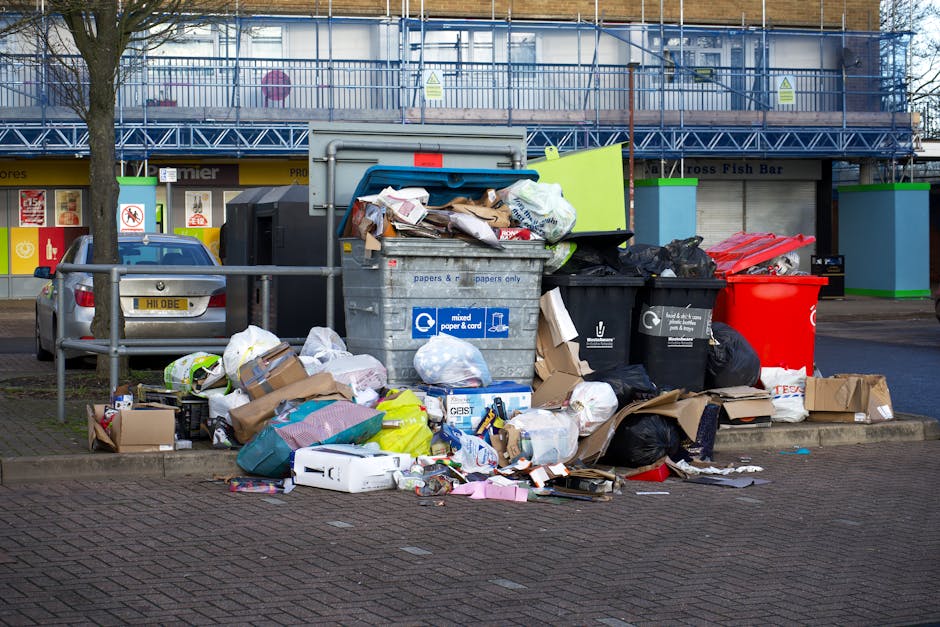
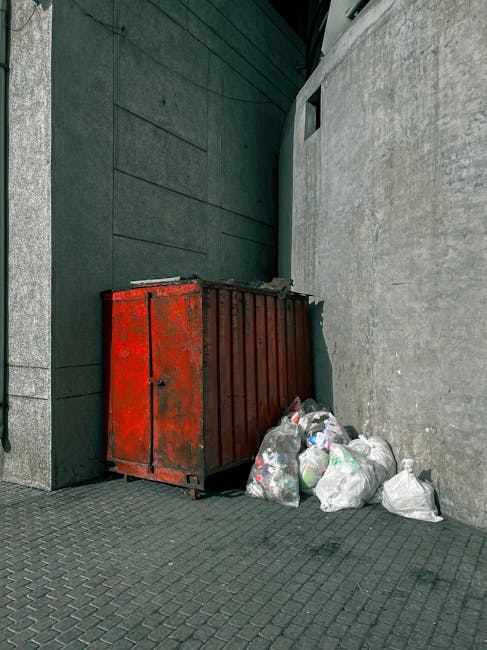
Jims Rubbish provides rubbish removal in London for homes, landlords, trades and businesses that need unwanted items cleared with minimal disruption. Our service covers everyday household junk, bulky furniture, mixed waste from clear-outs and other non-hazardous loads that are ready to go. The aim is straightforward: remove the clutter, sort the waste sensibly and leave the space ready for its next use.
We handle a broad range of clearances, from single-item collections to larger jobs where several types of rubbish need to be taken away together. That can include broken furniture, bagged waste, old appliances, garage contents or general rubbish from a renovation or spring tidy-up. If you are comparing options, pricing and quotes is a useful place to start for a clearer view of how enquiries are handled and what information helps shape an estimate.
Because every collection is different, the practical details matter. Access, volume, item type and the presence of awkward or heavy objects all affect how a job is planned, so it helps to describe the waste accurately. A short list of the main items, plus a note about where they are located, makes it easier to arrange the right level of labour and vehicle space. If you already know the type of rubbish, we can keep the process efficient and focused.
Household clearances and general rubbish
Domestic rubbish removal is often about taking away a mixed load rather than one simple item. That might mean old toys, broken storage, worn-out small furniture, redundant boxes or the contents of a cupboard, shed or spare room. Our general rubbish work is designed to be practical rather than fussy, so customers can clear unwanted material without needing to separate everything into dozens of categories first. Where possible, reusable items and recyclable materials are kept in mind before disposal.
For larger household projects, it can be helpful to think in terms of the room being cleared and the kind of material involved. A loft or garage can contain a surprising mix of accumulated goods, while a flat clearance may involve furniture, white goods and bagged waste together. house clearance and flat clearance describe the sort of domestic work that often sits behind a wider rubbish removal request. Those pages are useful when the job is more than a single collection and you want to understand the likely scope.
Household collections also tend to benefit from a little preparation. Stacking items together, keeping a clear route to the load and noting any heavy or awkward objects can save time on the day. If you are unsure whether something counts as standard rubbish or needs a specialist approach, it is better to mention it early. We can then work from a more accurate description and avoid confusion when arranging the collection.
Bulky items, furniture and white goods

Bulky waste often needs a more careful plan than light bagged rubbish. Sofas, wardrobes, tables, beds and mattresses take more room, are harder to manoeuvre and may need two people to move safely. We remove bulky items as part of wider rubbish collections, and where the load is mainly a particular type of item, dedicated service pages can help explain the options. furniture clearance, sofa removal and mattress collection are all relevant when your main concern is large household furniture.
Appliances also need sensible handling. Fridges, freezers and other white goods can be awkward, and some items contain materials or components that should not simply be treated like ordinary refuse. For that reason, it is worth identifying them separately in your enquiry rather than bundling them into a general list. fridge disposal, white goods recycle and bed disposal are helpful examples of the more item-specific work that can sit alongside a rubbish removal visit.
When bulky objects are mixed with other waste, the best result usually comes from a concise description rather than a vague one. Mention whether the item is intact, dismantled, upstairs, in a basement or already outside, because that can alter the handling required. If you have more than one major item, grouping them by room or by type is often enough to help create a sensible quotation.
Garden, garage and outbuilding waste
Outdoor and storage spaces can collect a wide range of unwanted material over time. Garden rubbish may include cuttings, soil, old plant pots, broken tools, fencing offcuts or tired outdoor furniture, while a garage can hold paint tins, sports equipment, packaging and general clutter. These collections are often more varied than they first appear, so it is useful to separate obvious green waste from general junk when you describe the job. That makes it easier to plan what needs to be taken and what may need another route.
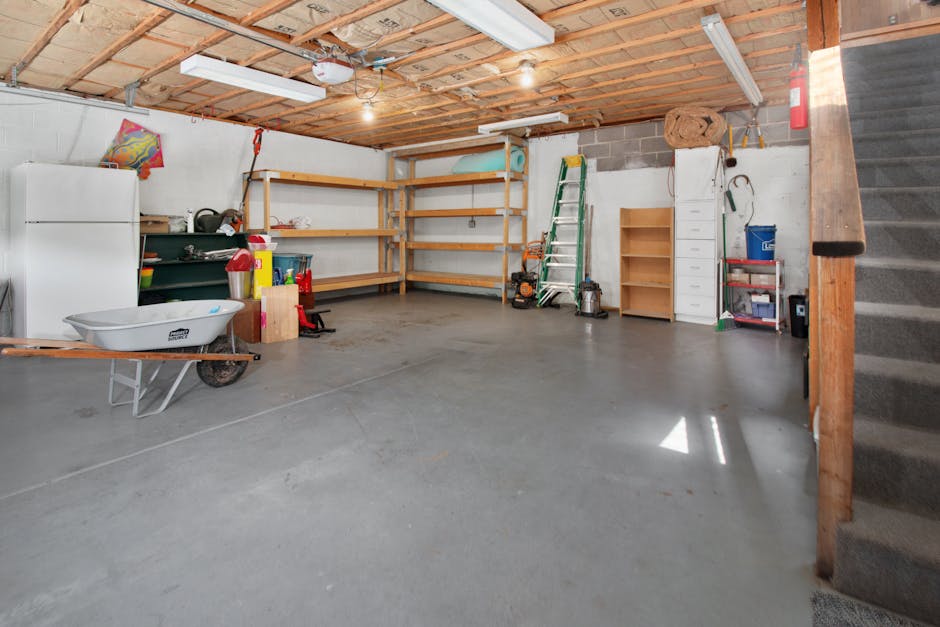
We also handle clearances for spaces that often become catch-alls for household overflow. A loft, garage or garden shed can hide decades of accumulated items, and once access is opened up the volume may be greater than expected. garage clearance, loft clearance and garden clearance are useful destinations when the rubbish removal request is tied to one particular area rather than a mixed property-wide load.
In these settings, it helps to think practically about access and sorting. Loose rubble, bagged waste and reusable items may need to be handled in different ways, and anything damp, heavy or sharp should be described clearly. If the collection is linked to ongoing gardening or a DIY job, a brief note about the stage of work can help us understand whether the rubbish is already gathered or still being produced. That makes the enquiry easier to scope and keeps the collection efficient.
Business and trade waste removal
Commercial rubbish removal needs to be workable around day-to-day activity. Offices, shops, landlords and contractors may all need waste taken away without creating unnecessary interruption. The usual focus is on mixed non-hazardous rubbish, redundant fittings, packaging, old office furniture or material generated by refurbishment. We can help with one-off clearances and repeat collections where the same type of waste appears regularly and needs a straightforward removal arrangement.
Trade jobs often differ from domestic ones because the waste stream changes as the work progresses. A refit may produce timber offcuts, packaging, dismantled units and bagged debris, while office changes may leave desks, chairs, filing cabinets and outdated equipment. business waste removal, office clearance and builders waste clearance are the clearest pages for those situations, especially when the material comes from a workplace or a building project rather than a household tidy-up.
The commercial side of the service is often best approached with practical detail rather than broad statements. A short description of the premises, the type of waste and any restrictions on access usually tells us enough to assess the work. If there are loading bays, stair-only access or timed entry rules, include that too. Accurate information helps avoid last-minute adjustments and supports a more efficient collection plan.
What affects the quotation
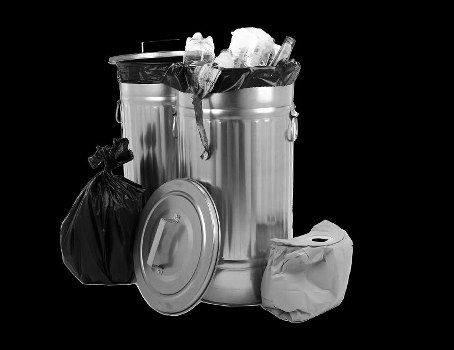
Quotation requests are usually shaped by a small group of factors: the amount of waste, the type of material, how easy it is to access and whether items need moving from inside or outside the property. Heavy or bulky pieces may take longer to handle, while mixed waste often takes more sorting and loading space than a simple pile of bagged rubbish. The clearer the description, the easier it is to match the job to the right level of work.
There is no need to overcomplicate the enquiry. A list such as “three chairs, a mattress, ten bags and some broken shelving†is often more useful than a long explanation of the problem. If you are unsure about quantities, photographs can help when they are available, but a written description still matters. Keep the focus on what needs to go, where it is and whether there are any issues with stairs, parking or access.
Useful details for a quote often include:
- the type of items or waste to be removed
- approximate quantity or number of bags and objects
- property type and floor level, where relevant
- any obstacles such as narrow corridors or no lift
- whether the waste is already gathered in one place
Recycling, disposal and responsible handling
Not all unwanted items are the same, so rubbish removal is only part of the process. Some materials can be recycled, some need specialist handling and some are simply best taken away as mixed waste because of their condition or composition. We take a practical approach to sorting what is collected, with the aim of directing suitable material toward the most appropriate route rather than treating every item identically. That is especially relevant for furniture, white goods and mixed household loads.
Customers often want to know how much of a clearance can be separated for reuse or recycling, but that depends on the condition of the items and the nature of the load. Broken, contaminated or water-damaged materials may not be suitable for the same route as reusable furniture. recycling and sustainability explains the general approach, while waste disposal is useful when you want a straightforward view of the wider disposal side of the service.
It is best to be cautious about anything that may fall outside ordinary waste handling. If you have sharp metal, chemicals, paint, gas cylinders or other awkward materials, mention them directly rather than assuming they can be added to a standard load. A responsible rubbish removal service depends on accurate description as much as on the physical collection itself, because the right handling method starts with the right information.
How to arrange a rubbish collection
Arranging a collection is usually simplest when you give a clear summary of the waste and the location. Start with the main items, then add any important access points such as a driveway, side passage, communal hallway or upper floor. If the waste is split between different rooms or outdoor areas, say so. That allows the job to be considered as a single collection rather than several confusing fragments. The aim is to make the quotation realistic and the collection practical.
If you need a stronger view of the service range before you enquire, the most relevant pages are those that match the waste type. For a general clearance, rubbish clearance and waste clearance are good starting points. For heavier mixed loads, bulk waste collection and bulky waste collection can be more useful. They help set expectations about the sort of work involved before you ask for a price.
When you are ready to move forward, keep your enquiry focused and factual. Mention the items, the location and any constraints, then ask for a quotation. If you can, include the broad timing you need, because that helps with planning even if the exact collection day is still flexible. A concise request is often the easiest way to get a useful answer without unnecessary back-and-forth.
About London
London is a large and historically layered city built around the River Thames, with a settlement history that stretches back to Roman Londinium. Its growth has been shaped by trade, government, migration and repeated waves of redevelopment, leaving a city with sharply contrasting districts, from medieval street patterns near the City to broad planned squares, Victorian terraces and modern riverside neighbourhoods. Across the centre and inner boroughs, the urban fabric is dense and varied, with narrow lanes, railway cuttings, post-war estates and major civic buildings often sitting close together. The city’s architecture reflects many periods at once, including Georgian terraces, Victorian public houses, Edwardian stations and contemporary towers, all woven into an exceptionally busy transport network.
Water remains central to London’s identity. The Thames still defines much of the city’s geography, while canals such as the Regent’s Canal and the Grand Union Canal form quieter corridors through areas that were once strongly industrial. Parks also shape daily life, from the royal parks in the centre to larger open spaces on the edges, and many districts have their own local squares, commons or riverside walks. Cultural life is similarly layered, with theatres, galleries, markets, museums and music venues spread across the capital rather than confined to one core. Areas such as Westminster, the South Bank, Bloomsbury, Shoreditch and Greenwich each carry distinct architectural and historical associations, yet remain part of the same wider metropolitan landscape.
Common household and property clearances

Some rubbish removal jobs are part of a larger clearance rather than a single load. That may happen after a move, a renovation, a tenancy change or a general declutter that has gathered more items than expected. In those cases, the waste is often mixed: furniture, bags, broken household goods and miscellaneous contents all need to be cleared together. The best approach is to treat the job as a whole and identify the main categories rather than trying to itemise every small piece.
That is where more specialised service pages can support the enquiry. home clearance and waste collection suit broader domestic work, while furniture collection is helpful if the load is mostly larger items. If you are dealing with a specific room or property type, matching the page to the job type keeps the request clear and avoids vague descriptions that are difficult to price properly.
For customers who are deciding what to keep and what to remove, it can be useful to sort the waste into three groups: items that are staying, items that are definitely leaving and anything that still needs checking. That small amount of organisation makes the collection smoother without turning the enquiry into a project in itself. Once the categories are clear, the actual removal can move forward with less confusion.
Specific item collections
Some customers prefer to focus on one troublesome item rather than a whole room or property. That might be a sofa that no longer fits the space, a mattress that has come to the end of its useful life or a fridge that needs to be removed from a kitchen before replacement work can begin. Item-specific collections are useful because they narrow the scope and keep the request simple. They also make it easier to describe the job in plain terms.
Where a single-item service is the best fit, the most relevant pages are sofa collection, mattress disposal, large item collection and council large item collection. Those destinations are most helpful when you are comparing a private collection with a broader disposal route or simply want to understand how a specific item type is handled. They also make it easier to decide whether the item should be grouped with other rubbish or treated on its own.
When a property has more than one item but still not a full clearance, the most efficient enquiries are usually the most exact. Say what the item is, whether it is upstairs or downstairs and if it can be dismantled. That is enough to keep the conversation practical and helps avoid overcomplicating a request that may only need a simple collection.
Getting started with your enquiry
To request a quotation, send a concise description of the rubbish, the property type and the access conditions. If there are stairs, parking limits or communal entry points, include those details as well. A clear first message usually gets the most useful response, because it allows the collection to be considered against the actual practical work rather than a guess. If the waste has already been gathered into one place, say that too.
For a more direct route to the business, use the available contact page when you are ready to move ahead. contact us is the best destination for a quotation request once you know what needs removing. If you are still weighing up the likely scope, you can keep it simple and ask for guidance on the most suitable type of collection first, then decide whether the job is best handled as a general rubbish removal or a more specific service.
Send the details, ask for a quote and let us know what needs clearing. If your load is a mix of general rubbish, furniture or bulky items, we can help you shape the request into something clear and workable before the collection is arranged.