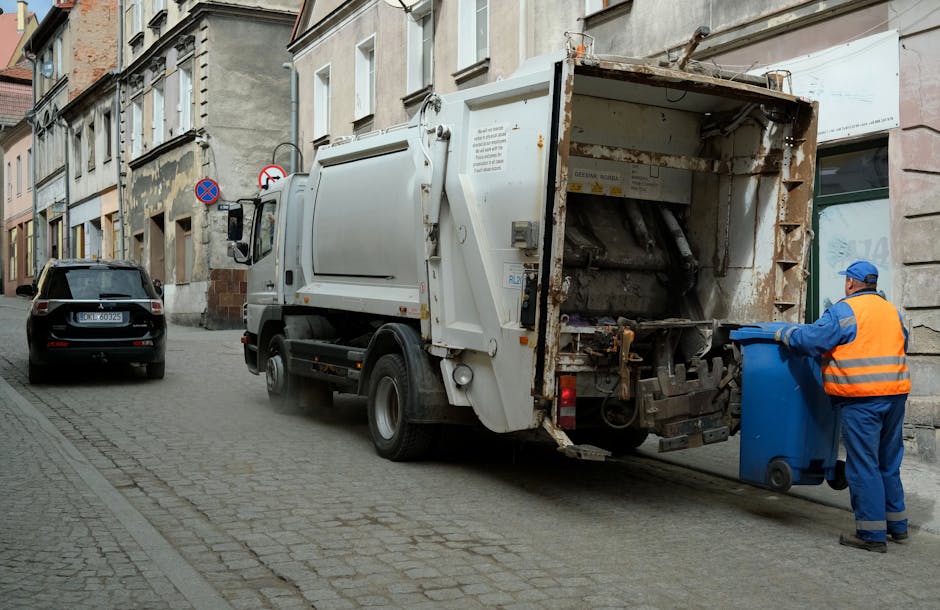
Get Accurate Quotes: What Affects Rubbish Removal Prices

If you have ever stared at a rubbish removal quote and thought, "Why is it so different from the last one?", you are not alone. Getting an accurate price is usually less about luck and more about giving the right details up front. The more clearly you explain what needs to go, where it is, and how the job can be handled, the closer the quote should be to the final bill. That matters whether you are clearing a shed, emptying a flat, or dealing with a very awkward pile of builders' waste after a weekend project.
This guide breaks down Get Accurate Quotes: What Affects Rubbish Removal Prices in plain English. You will see what drives the cost, how pricing is normally worked out, what to ask before booking, and how to avoid the little surprises that often catch people out. We will also cover practical steps, useful comparisons, and a realistic example, so you can make a calm, informed decision rather than guessing in the dark.
Why Get Accurate Quotes: What Affects Rubbish Removal Prices Matters
Rubbish removal is one of those services where the final price depends heavily on the details. A quote that sounds cheap at first can change fast if the waste is heavier than expected, access is tricky, or the load contains items that need special handling. In other words, the "headline price" is only part of the story.
Getting an accurate quote matters because it protects both sides. You get a realistic budget, and the waste carrier can plan the right vehicle, staff, and disposal route. That usually means fewer delays, less back-and-forth, and a smoother job on the day. Nobody wants a truck turning up and then having to play guessing games with the pile in the driveway. Bit awkward, really.
There is also a trust angle here. When a company explains how pricing works clearly, it is usually a sign that they know their process well. If a quote is vague, rushed, or oddly vague on exclusions, it is sensible to pause. Ask questions. A few minutes now can save a lot of irritation later.
Practical takeaway: A good rubbish removal quote should reflect volume, weight, access, item type, labour, and disposal costs. If any of those are missing, the price may not be accurate yet.
How Get Accurate Quotes: What Affects Rubbish Removal Prices Works
Most rubbish removal pricing is built from a few core variables. The easiest way to think about it is this: the company is estimating how much time, space, labour, and disposal cost your job will require. Simple jobs can be priced quickly from photos or a short description. More complex jobs may need a site visit or a more detailed conversation.
In practice, the quote process usually looks something like this:
- You explain what needs removing, ideally with photos.
- The company checks the likely load size, access conditions, and waste type.
- They estimate labour, transport, and disposal or recycling costs.
- You receive a quote, sometimes fixed, sometimes estimated.
- If the job matches the description, the final price should stay close to the quote.
That last point matters. A reliable provider should be clear about what the quote includes and what could change it. For example, a quote based on a few bags and a broken wardrobe is not the same as one based on a garage full of mixed waste with a narrow staircase and no parking nearby. One is straightforward. The other is a proper logistical puzzle.
If you are comparing providers, it can help to look at how they explain their pricing and quotes process. A transparent approach is often the quickest route to a fair number, and it reduces the risk of misunderstanding later on.
Key Benefits and Practical Advantages
Accurate quotes are not only about saving money, though that is obviously part of it. They also help you plan the day, manage stress, and avoid disputes after the work is done. In real life, that can make the difference between a tidy, efficient removal and a frustrating afternoon with extra charges appearing like unwanted clutter.
Here are the main benefits:
- Better budgeting: You can plan the total cost before committing.
- Fewer surprises: Clear pricing reduces the chance of add-ons or disputes.
- Right-sized service: The provider can bring the correct vehicle and team.
- Faster turnaround: A well-scoped job usually runs more smoothly.
- Improved trust: Transparent estimates tend to come from organised operators.
There is a quieter benefit too: you make better decisions when you know what you are paying for. That can help when you are comparing waste clearance against hiring a skip, doing multiple trips to the tip, or waiting for a property sale deadline. Sometimes the cheapest option is not actually the cheapest once you count your own time, fuel, and effort. Truth be told, your Saturday is worth something.
If sustainability matters to you, a clear quote also helps you understand how waste will be sorted. That is worth asking about early, especially if you want to reduce landfill where possible. You can also read more about the company's recycling and sustainability approach if responsible disposal is part of your decision.
Who This Is For and When It Makes Sense
This topic is relevant to anyone who needs rubbish removed, but some people benefit more than others. If your waste is bulky, mixed, heavy, or awkwardly placed, the gap between a rough guess and a proper quote can be surprisingly large.
It makes sense to get a careful quote if you are:
- clearing a house, flat, loft, shed, or garage
- disposing of renovation or DIY waste
- emptying a property before sale or tenancy change
- dealing with office or commercial clearances
- removing old appliances, furniture, or mixed household clutter
- trying to avoid overpaying for a job that sounds simpler than it is
It is also especially useful if access is tight. Basements, upper floors, narrow hallways, long driveways, permit parking, and shared access blocks can all change the labour time. A van may be parked close to the load, or it may need several careful trips. That difference shows up in the price, and fairly so.
If you want to speak to a team directly about your job, get in touch here and give as much detail as you can. A few photos usually help more than a long description, by the way.
Step-by-Step Guidance
If you want an accurate rubbish removal quote, the process is usually straightforward. The key is to be specific without overcomplicating it. Here is a practical way to do it.
1. List what needs to go
Write down the main items first. Think in categories: furniture, black bags, garden waste, builders' rubble, appliances, or mixed clutter. If you have "a bit of everything," say that too. It helps set expectations.
2. Estimate the volume honestly
Volume is one of the biggest cost drivers. A single sofa is not the same as a half-filled garage, even if both feel "not that much" when you first look at them. If you can, estimate by bag count, room size, or how much space the load takes up in a vehicle. A quick photo from standing back often tells the story better than a close-up of one corner.
3. Mention access issues
This one gets missed all the time. Tell the company if parking is restricted, stairs are involved, items are in the loft, or the waste is behind fencing or in a locked garden. Access can change the labour time more than people expect.
4. Flag special waste early
Items like fridges, mattresses, paint, electricals, and sharp or potentially hazardous materials may need different handling. Don't bury that detail in the fine print. It is better to be upfront and receive the right quote than to trigger a price change on arrival.
5. Ask what the quote includes
Check whether the price covers labour, disposal, recycling, loading, VAT if applicable, and any congestion or access-related costs. If something is unclear, ask. A plain answer should be possible.
6. Compare like for like
Two quotes are only useful if they cover the same job. One company may include full loading and disposal, while another may only quote for collection. Those are not equivalent, even if the numbers look close.
7. Confirm the booking terms
Before you agree, read the terms carefully. If you want a clear sense of what happens if plans change, or what the payment expectations are, the company should spell it out. You can review details such as terms and conditions and payment and security to understand the rules before booking.
Expert Tips for Better Results
A few small habits can make your quote much more reliable. These are the kinds of things that seem obvious after the fact, but not always beforehand.
- Take clear photos in daylight. Dark garage photos at 8pm are rarely helpful. A few wide shots during the day usually work better.
- Include something for scale. A chair, bin bag, or doorway in the image helps the team judge size.
- Be honest about hidden waste. If there is more behind the front pile, say so. Surprises are not ideal for anyone.
- Separate easy items from awkward ones. A pile of cardboard is not the same as heavy rubble mixed with broken timber.
- Ask about sorting and recycling. Responsible removal is not just about taking stuff away; it is about handling it properly.
One useful rule of thumb: the more mixed the waste, the more careful the quote needs to be. A clean stack of green waste is simpler to estimate than a mystery pile that includes plasterboard, tiles, old furniture, and the remains of a DIY project nobody wants to talk about. We have all seen those jobs. Sometimes they look harmless from three metres away, and then the real story appears.
If your job involves more than basic household waste, it can be worth checking the provider's health and safety policy and insurance and safety information. That is not being fussy. It is just sensible.
Common Mistakes to Avoid
Most quote problems are avoidable. The trouble is, people often rush the first enquiry because they just want the mess gone. Fair enough. But a rushed quote request can lead to a bad estimate, and that gets expensive in a different way.
- Underselling the amount of waste: "Only a small amount" can mean very different things to different people.
- Forgetting access details: Parking, stairs, and distance from the van all matter.
- Hiding specialist items: Electricals, fridges, mattresses, and potentially hazardous items should be declared early.
- Comparing incomplete quotes: A low number is not useful if it excludes labour or disposal.
- Booking on price alone: Cheap quotes can be tempting, but only if they are actually for the same job.
A smaller mistake, but still common, is assuming all waste removal works the same way as skip hire. It does not. Skip hire is a different model, with different responsibilities and timeframes. Rubbish removal is often more flexible, but the labour and disposal side are built into the quote differently. That is why the price can move around.
Another one: not checking how the company handles complaints if something goes wrong. You may never need it, but it is good to know there is a process in place. For peace of mind, see the company's complaints procedure.
Tools, Resources and Recommendations
You do not need specialist software to get an accurate quote. A phone, a few photos, and a realistic description usually do the job. Still, a few simple tools can make things much easier.
- Phone camera: Take wide-angle photos of the whole area, not just the heaviest item.
- Notes app: Jot down item types, approximate counts, and access issues.
- Measuring tape: Useful for bulky items, tight stairways, or doorway widths.
- Room-by-room list: Handy if you are clearing a whole property.
- Booking details: Keep the date, scope, and quote reference together in one place.
For customers who like a bit more background before making a booking, the company's about us page can help you understand the business behind the service. That kind of context matters. People often want to know who is actually turning up.
Accessibility also matters, especially if you need information in a format that is easier to use. You can review the accessibility statement if that is relevant to you or someone helping with the booking.
Law, Compliance, Standards, or Best Practice
Rubbish removal is not just a transport job; it touches waste handling, duty of care, safe loading, and lawful disposal. While the exact rules depend on the type of waste and the situation, there are a few sensible best-practice principles that most reputable operators should follow.
First, waste should be handled and disposed of responsibly. That means it should not simply disappear into an unknown route. Second, if items are heavy, awkward, contaminated, or potentially hazardous, they should be assessed carefully before removal. Third, pricing should not be misleading. A quote that ignores known risks or likely access problems is not a good quote, even if it looks attractive.
Best practice usually includes:
- clear communication about waste type and volume
- safe manual handling and appropriate staffing
- proper segregation where recyclable materials can be separated
- transparent terms on what is included in the price
- insurance and safety processes for on-site work
If a provider discusses these topics openly, that is a positive sign. It suggests they are thinking beyond the collection itself and into the wider responsibility of the job. You may also want to understand how your information is handled during enquiries and bookings; for that, the site's privacy policy and cookie policy explain the basics in plain terms.
And yes, for commercial customers or people booking on behalf of a business, a few extra checks on payment and terms are usually worth the thirty seconds it takes. Easy to forget. Easy to regret.
Options, Methods, or Comparison Table
There are a few ways people usually deal with unwanted waste. The right one depends on volume, access, urgency, and how much lifting you want to do yourself.
| Method | Best for | What affects the price | Pros | Watch out for |
|---|---|---|---|---|
| Rubbish removal service | Bulky, mixed, or awkward loads | Volume, weight, access, labour, disposal | Convenient, quick, loading handled for you | Needs accurate job details for a fair quote |
| Skip hire | Longer DIY projects or predictable waste | Skip size, hire duration, permit needs | Good if you can fill it gradually | You do the loading and may need space |
| Multiple trips to a recycling centre | Smaller amounts and self-loading jobs | Fuel, time, vehicle capacity, effort | Can be cost-effective for tiny loads | Time-consuming and physically tiring |
For many households, rubbish removal is the most practical option when access is awkward or time is tight. It is not always the cheapest on paper, but it can be the most efficient overall. And efficiency, to be fair, is often where the real value sits.
Case Study or Real-World Example
Imagine a homeowner in a typical London terraced property clearing out a rear shed and the corner of a loft before redecorating. At first glance, it looks like "a few bits": some broken shelving, a couple of chairs, old paint tins, a box of cables, and several bags of mixed rubbish. The space is tight, the parking is awkward, and the waste is not neatly sorted.
If they request a quote with only the words "shed clearance," the estimate may be too broad to be useful. But if they send clear photos, note that access is via a narrow side passage, and mention the paint tins and mixed household waste, the quote is likely to be much more accurate. The provider can then factor in handling time, disposal requirements, and the right vehicle size.
The difference is rarely dramatic magic. It is mostly clarity. One job looks simple from a distance and turns out to be moderately fiddly. The other is priced properly from the start. That is the whole game, really.
In situations like this, a well-scoped quote tends to save time on the day because the team arrives prepared. Less waiting. Less "oh, there is also this part." Less chaos near the back gate with everyone stepping around a wheelbarrow and a mop bucket. You know the scene.
Practical Checklist
Use this quick checklist before you request a quote or confirm a booking.
- Have I listed every main item or waste type?
- Have I estimated the volume as honestly as I can?
- Have I taken clear photos in good light?
- Have I explained access issues, stairs, parking, or distance to the van?
- Have I mentioned any special or potentially hazardous items?
- Do I understand whether labour and disposal are included?
- Have I compared the same scope of work across quotes?
- Do I know the payment terms before booking?
- Have I checked the provider's safety, insurance, and recycling information?
- Do I have a contact name or reference number in case I need to follow up?
If you can tick most of those boxes, you are in a strong position. Not perfect, maybe, but strong enough to get a proper answer rather than a vague one.
Get a free quote today and see how much you can save.
Conclusion
Accurate rubbish removal pricing is built on clarity, not guesswork. The more precisely you describe the waste, access, and any special handling needs, the more reliable the quote will be. That helps you budget properly, compare providers fairly, and avoid those awkward last-minute changes that nobody enjoys.
If you remember only one thing, make it this: a good quote should explain the job, not just name a number. Volume, weight, labour, access, waste type, and disposal all play a part. Once you understand those moving pieces, it becomes much easier to choose the right service with confidence.
If you are ready to take the next step, ask for a clear, detailed estimate and use the company's supporting pages to check the finer points on quotes, payment, safety, and sustainability. It is a small bit of homework, but it pays off. And once the clutter is gone, the space always feels bigger than you expected. Funny how that works.
Frequently Asked Questions
What affects rubbish removal prices the most?
The biggest factors are usually waste volume, weight, type of material, access to the property, labour needed, and disposal costs. Mixed or heavy waste often costs more than neat, easy-to-load items.
Why do two rubbish removal quotes differ so much?
They may not be quoting the same scope of work. One price might include loading and disposal, while another may exclude certain items or assume easier access. Always compare like for like.
Can I get an accurate rubbish removal quote from photos?
Yes, often you can. Clear, wide photos in good daylight are usually enough for a basic estimate. If the job is large, complex, or involves restricted access, the company may ask for more detail or a site visit.
Does access to the property change the price?
Very often, yes. Stairs, long carries, narrow passageways, parking restrictions, and limited lifting space can all increase labour time and therefore affect the quote.
Are special items more expensive to remove?
They can be. Items such as fridges, mattresses, electricals, paint tins, or other specialist waste may need different handling or disposal arrangements, so they should be declared early.
Is rubbish removal cheaper than skip hire?
It depends on the job. Skip hire can suit gradual DIY projects, while rubbish removal is often more convenient for bulky or awkward loads. The best option is the one that matches your actual needs, not just the headline price.
What should an accurate quote include?
A good quote should clearly state what waste is being removed, whether loading is included, any disposal or recycling costs, and any conditions that could affect the final price. If something is missing, ask before booking.
How can I avoid hidden charges?
Be upfront about the amount and type of waste, mention access issues, and ask what is included in the quote. It also helps to confirm the terms before the job starts so there are no misunderstandings.
Do I need to sort the waste before the team arrives?
Not always, but sorting can make the job quicker and sometimes clearer to price. If you can separate obvious categories such as cardboard, furniture, garden waste, and electricals, that may help the estimate.
What if the amount of rubbish is more than I first thought?
Tell the provider as soon as you realise. It is far better to update the quote before collection than to wait until the team arrives. Honest updates usually lead to a smoother job and a fairer price.
How do I know a rubbish removal company is trustworthy?
Look for clear pricing, transparent terms, safety and insurance information, and sensible communication. A trustworthy company will answer questions plainly and explain what is included without making it feel like a guessing game.
Where can I check booking, payment, and company details?
You can review the company's pricing and quotes, payment and security, insurance and safety, and about us pages for more context before making a decision.