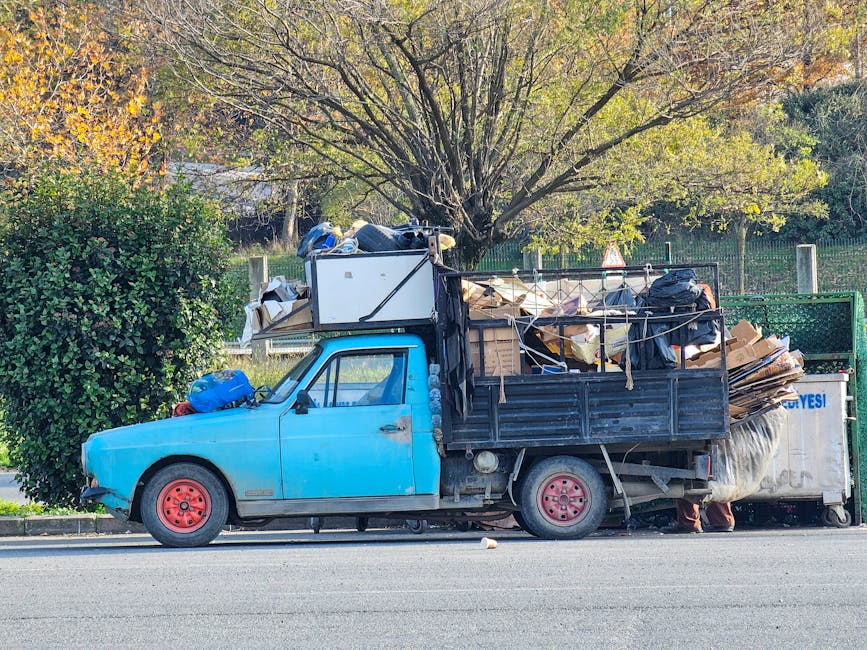
How to prepare bulky items for safe rubbish collection
If you have an old sofa blocking the hallway, a sagging mattress leaning against the wall, or a fridge that has somehow become part of the furniture, you are not alone. Bulky waste has a way of turning a simple clear-out into a slightly awkward, slightly noisy job that you keep putting off. The good news? With a bit of planning, how to prepare bulky items for safe rubbish collection is actually pretty straightforward.
This guide walks you through the practical side of it: what counts as bulky waste, how to make heavy or awkward items safer to move, what collectors usually expect, and the small details that save time on the day. If you want to avoid damaged walls, strained backs, missed collections, or that horrible "we can't take this as it is" moment, you are in the right place.
We will keep it clear and useful, with a few real-world tips from the kind of situations people run into every week in UK homes, flats, and offices. Because let's face it, nobody wants to drag a splintered wardrobe down a narrow staircase at 8 a.m. if they can avoid it.
Table of Contents
- Why preparing bulky items properly matters
- How bulky rubbish collection works
- Key benefits and practical advantages
- Who this is for and when it makes sense
- Step-by-step guidance
- Expert tips for better results
- Common mistakes to avoid
- Tools, resources and recommendations
- Law, compliance, standards, or best practice
- Options, methods, or comparison table
- Case study or real-world example
- Practical checklist
- Conclusion
- Frequently asked questions
Why How to prepare bulky items for safe rubbish collection Matters
Preparing bulky waste properly is not just about tidiness. It is about safety, access, and making sure the collection goes smoothly on the day. Large items are awkward by nature. They catch on door frames, scrape paintwork, snag on stair rails, and can shift suddenly when lifted. That is where most problems begin.
In practical terms, a bit of preparation helps protect three things: people, property, and time. If an item is loose, dirty, broken, or partly dismantled in a way that makes handling unclear, the crew may need to spend extra time assessing it. That slows everything down and, sometimes, changes what can be taken.
There is also a difference between an item that is simply large and one that is unsafe. A bulky wardrobe with drawers removed is far easier to move than one with glass doors, loose shelves, and screws falling out underneath. The same goes for a mattress covered in wet bedding, a fridge with food still inside, or a sofa with sharp staples sticking out. Small fixes make a big difference.
To be fair, most people only deal with bulky waste occasionally, so it is easy to underestimate it. But once you have seen a sofa wedged in a stairwell, you understand why preparation matters. One bad lift is all it takes for a simple collection to become a messy job.
How How to prepare bulky items for safe rubbish collection Works
The process is usually simple: identify the item, make it safe and accessible, and arrange collection with the right service. What changes from one job to the next is the shape, weight, material, and condition of the item.
In many cases, a bulky item collection team will assess whether the item can be removed whole or whether it should be broken down first. Some items are best left intact because dismantling them could make them sharper or more unstable. Others are much easier to handle in sections. A bed frame, for example, often becomes safer once the slats, headboard, and side rails are separated. A large cabinet might be easier to carry if doors and shelves are removed.
What the collector usually wants is a clear route, safe access, and no hidden hazards. That means no loose glass, no nails sticking out, no fluids leaking from appliances, and no surprise heavy contents inside drawers or cupboards. If you are using a service like bulky waste collection or arranging large item collection, the better prepared the items are, the more efficient the job tends to be.
Sometimes the item is part of a bigger clear-out. A home clear-out, loft tidy, or house clearance may involve furniture, white goods, old storage units, and mixed rubbish. In those cases, preparation is less about one object and more about making the whole space workable. Bags moved aside, pathways opened, items sorted, cables detached. Simple stuff, really, but it saves a lot of faff.
Key Benefits and Practical Advantages
When bulky items are prepared properly, the gains are immediate. You reduce the chance of injury, cut down on delays, and make it easier for the collection team to load items quickly and safely. That can be especially useful in flats, terraced homes, narrow hallways, or buildings with shared access.
- Less risk of damage: Doors, bannisters, walls, and flooring are less likely to get scraped or knocked.
- Safer lifting: Heavy items can be moved in more manageable pieces.
- Faster removal: Clear access means less time spent planning a route around obstacles.
- Better sorting: Reusable, recyclable, and general waste can be separated more cleanly.
- Fewer surprises: Loose screws, hidden glass, and leftover contents are dealt with in advance.
There is another benefit people sometimes overlook: peace of mind. Once an item is properly prepared, you stop worrying about it. No more glancing at the old mattress by the back door and thinking, "I'll deal with that tomorrow." That little mental relief is worth something.
If you are comparing options, it can also help to look at services like furniture clearance, furniture disposal, or specialist removal for items such as sofa removal and mattress disposal. The right service depends on what you have, how much of it there is, and how easy it is to move.
Who This Is For and When It Makes Sense
This kind of preparation is useful for homeowners, tenants, landlords, letting agents, office managers, shopkeepers, and anyone clearing space before a move or refurb. If you have bulky items sitting around for longer than they should, this is for you.
It makes particular sense when:
- you are replacing old furniture or appliances
- you are moving out and need rooms cleared quickly
- you are preparing a property for sale or letting
- you are clearing a loft, garage, basement, or spare room
- you have one awkward item that will not fit into normal bins
- you need to combine bulky items with other rubbish in one visit
In a London flat, for example, a sofa can be the whole challenge. Not because it is enormous, but because the stairwell is tight and the lift is tiny or non-existent. In a house, the issue might be something else entirely: a broken wardrobe with sharp panel edges, or a fridge that still has water in the back tray. Different setting, same principle. Make it easier to lift, and make it safe to carry.
For bigger jobs, services like home clearance, garage clearance, or loft clearance can be a more efficient fit than trying to handle everything item by item.
Step-by-Step Guidance
Here is the practical part. If you want a smooth collection, follow these steps in order. Not glamorous, but it works.
1. Identify the item and check what it is made of
Start by looking at the item properly. Is it wood, metal, fabric, glass, or a mixed-material piece? Does it contain electrical parts, batteries, fluids, or gas? A simple chair and an old fridge are not remotely the same job. One may be a straightforward lift; the other needs extra care and different handling.
If the item is a white good, such as a freezer or washing machine, it may need specialist handling. If you are dealing with older appliances, services such as fridge disposal or white goods recycle are often more appropriate than general rubbish removal.
2. Empty the item completely
Drawers, shelves, cupboards, and compartments should be checked carefully. You would be surprised how often a cabinet still contains books, cables, batteries, old paperwork, or a small box of tools. That extra weight matters, and hidden contents can fall out during lifting.
For wardrobes and storage units, remove anything loose first. For appliances, make sure they are unplugged and fully emptied. If you are dealing with a mattress, strip all bedding and check for bed bases or hidden items around the frame. Small jobs first. It keeps things sane.
3. Dismantle only what is safe to dismantle
Break down the item only if doing so makes it safer and more manageable. Use the original fixings where possible and keep the pieces together. If screws, bolts, or fittings are loose, put them in a labelled bag or tape them to the relevant panel so nothing goes missing.
A bed frame, for example, can often be taken apart without much trouble. A glass-fronted cabinet or a damaged recliner may be better left intact if dismantling creates more risk. Use judgement here. That is the bit people get wrong most often.
4. Remove hazards
Look for anything sharp, loose, wet, or breakable. Tape down jagged edges, secure doors, and wrap exposed corners where needed. If glass is involved, add a layer of cardboard or thick wrapping to keep it from shifting or cracking further.
For older furniture, check underneath as well. Staples, protruding nails, and cracked supports are common. A surprisingly ordinary-looking sideboard can turn into a bit of a menace once you tip it over. Truth be told, furniture has a sneaky side.
5. Make access as clear as possible
Clear the route from the item to the collection point. Move shoes, rugs, plant pots, children's toys, recycling bins, and anything else likely to trip someone up. If the item must pass through a narrow hallway or shared stairwell, measure the width first if you are unsure.
In flat blocks, it helps to warn neighbours if the route is communal. Keep doors open only if safe, and make sure no one is left guessing which entrance or floor the collection team should use. A tidy route can save a collection. A messy one can stall it.
6. Separate recyclable parts where possible
If the item includes metal, clean wood, fabric, cardboard packaging, or electrical parts, separate what can be separated safely. This makes sorting easier and may improve recycling outcomes. You do not need to create a museum exhibit of tiny parts. Just group things sensibly.
For mixed loads, some people combine the bulky item with other waste from a wider clearance. If that is your situation, a more general rubbish removal or waste collection service may suit better than a single-item pickup.
7. Put the item where the collector can reach it
Most crews want the item in a place that is easy to access but not blocking the public path. That might be a driveway, front garden, ground-floor hallway, or agreed collection point. If your service asks for curbside placement, do not leave it too early if weather could damage it or make it heavier.
Rain-soaked mattresses, for example, are no fun at all. They get heavier, smell worse, and are harder to move. One wet night can turn a ten-minute job into a grumble. Better to avoid that if you can.
8. Confirm collection details in advance
Check what the service accepts, whether there are any access notes, and whether you need to be present. If there are stairs, parking restrictions, intercoms, or locked gates, make those clear ahead of time. A five-second note can prevent a twenty-minute delay.
Expert Tips for Better Results
Here are a few things that make a real difference in day-to-day collections.
- Keep fixings together: Put screws, bolts, and brackets in a bag and tape it to the main item.
- Use stretch wrap or tape carefully: Good for holding doors shut, but do not overdo it on items that may need recycling.
- Protect corners: Cardboard or a folded towel can stop scratched walls and scuffed hands.
- Take photos before collection: Handy if you need to confirm what is being removed.
- Do a quick shake test: If something rattles, loose parts are probably still inside.
If you are clearing several roomfuls of items, an organised approach helps a lot. Bedrooms, lofts, and garages tend to hide more than you expect. A quick example: people often think a garage is just "a few old boxes," and then out comes a broken chair, three paint tins, a vacuum cleaner, and a bicycle frame with one wheel missing. Happens all the time.
For larger mixed clear-outs, you may want to combine bulky item prep with waste clearance or a fuller house clearance plan. That way, the bulky item does not become the only thing that matters. The whole space gets sorted, which is often the real goal.
Common Mistakes to Avoid
Most bulky item problems come from a short list of avoidable mistakes. Here they are, plain and simple.
- Leaving items full: Hidden contents make everything heavier and slower.
- Dismantling blindly: Some pieces become more dangerous once pulled apart.
- Ignoring sharp edges: Broken furniture and appliances can injure hands fast.
- Blocking access: Even a small pile of shoes or bins can create a trip hazard.
- Forgetting appliance prep: Food, water, and loose parts can cause mess and delays.
- Assuming everything is standard rubbish: Some items need specialist handling.
Another common one: people wait until the last minute and then rush. That is when corners get cut. Literally sometimes. Not ideal.
If an item is too damaged, too heavy, or too awkward to prepare safely yourself, that is a sign to stop and choose a different approach. There is no prize for wrestling a broken wardrobe down the stairs by yourself.
Tools, Resources and Recommendations
You do not need a shed full of professional equipment to prepare bulky waste safely. A few basic tools are usually enough.
| Tool | What it helps with | Why it is useful |
|---|---|---|
| Work gloves | Handling rough surfaces and sharp edges | Protects hands from splinters, staples, and grime |
| Screwdriver or Allen key set | Removing fixtures and fasteners | Helps with bed frames, cabinets, and flat-pack furniture |
| Heavy-duty tape | Securing doors, drawers, or loose parts | Keeps pieces together during lifting |
| Dust sheets or old blankets | Protecting floors and walls | Reduces scuffs while moving large items |
| Marker pen and bags | Labelling fixings and accessories | Makes reassembly or sorting easier |
As for services, choose the one that matches the job rather than just the nearest label. A single mattress is not the same as a full garage clear-out. If you need specialist furniture support, furniture collection, sofa collection, or bed disposal may be the most direct fit.
And if the item is awkward because of size, not just because it is furniture, a broader bulk waste collection can handle mixed bulky loads more neatly than trying to separate everything yourself.
Law, Compliance, Standards, or Best Practice
For bulky waste, the safest approach is to follow sensible handling practices and make sure items are passed to a legitimate waste carrier or collection service. In the UK, householders and businesses should be careful not to leave waste in a place or format that creates a hazard, blocks access, or causes a nuisance. Exact rules can vary by local authority and property type, so if something feels uncertain, it is worth checking the expectations that apply in your area.
Good practice usually includes the following:
- do not leave items where they could obstruct pavements, entrances, or shared corridors
- remove obvious hazards such as broken glass, sharp metal, and leaking fluids
- keep electrical items and white goods separate where specialist handling is needed
- make sure anything that may contain hazardous parts is identified before collection
- use insured, safety-conscious operators for items that need lifting from awkward access points
If you are arranging removal for a business, rented property, or managed building, it is sensible to keep records of what was collected and when. It is not glamorous, but it helps. For teams who want more detail on working practices, pages such as health and safety policy, insurance and safety, and recycling and sustainability can be useful background reading.
Where appliances are involved, take extra care with fridges, freezers, and other units that may contain refrigerant, glass, or electrical components. That is not a casual carry-down-the-stairs job. A bit of caution goes a long way.
Options, Methods, or Comparison Table
There are several ways to deal with bulky items. The best option depends on time, access, quantity, and how much lifting you want to do yourself.
| Option | Best for | Pros | Trade-offs |
|---|---|---|---|
| Prepare and move it yourself | Small, manageable items with easy access | Low cost, full control | Requires time, effort, and safe lifting |
| Single-item collection | One sofa, bed, mattress, or appliance | Simple, targeted, less disruption | May need good access and clear prep |
| Bulky waste collection | One or more large items | Convenient and efficient | May need grouping or sorting first |
| Full clearance service | Several rooms, lofts, garages, or mixed loads | Best for bigger jobs, less hassle | More planning needed up front |
If you only have one item and it is already easy to reach, a simple collection may be enough. If you are clearing a room packed with tired furniture and odds and ends, a broader service is usually smarter. For larger residential or commercial jobs, waste removal and rubbish clearance can make more sense than trying to cherry-pick what goes first.
Case Study or Real-World Example
A fairly typical example: a couple in a London flat wanted to clear an old sofa, a bed frame, and a broken chest of drawers before new furniture arrived. The sofa was the biggest issue because it had to come through a narrow hallway with a sharp turn by the bathroom door. Not impossible, just awkward.
They started by emptying the drawers, removing the bed slats, and bagging the fixings. The chest of drawers had a loose back panel and one drawer that kept sliding open, so they taped it shut and labelled the screws. They also cleared shoes, a small plant stand, and a couple of umbrella stands from the route. Sounds minor, but that was the difference between a smooth carry and a clumsy shuffle.
By the time the collection team arrived, the items were already separated and placed close to the exit. Nothing fancy. No drama. The job moved quickly, the hallway stayed intact, and the whole flat felt lighter afterwards. That is the kind of result good preparation gives you.
Honestly, most bulky collections work best when the customer does a little bit of prep and leaves the rest to the crew. It is a simple formula, and it works.
Practical Checklist
Use this before your collection day. A minute here can save a lot later.
- Confirm what items are being collected
- Empty drawers, cupboards, and compartments
- Remove bedding, loose parts, and personal items
- Unscrew only the parts that are safe to dismantle
- Bag screws, bolts, and small fittings
- Check for glass, nails, staples, or sharp edges
- Keep electrical items unplugged and clearly identified
- Clear the route from the item to the exit
- Move anything that could trip a collector
- Make sure access gates, intercoms, or parking details are sorted
- Place the item where it can be reached easily and safely
- Double-check whether any special handling is needed
Quick summary: safe bulky item preparation comes down to three things - make it lighter, make it safer, and make it easier to reach. Do those three well and most of the job falls into place.
Get a free quote today and see how much you can save.
Conclusion
Preparing bulky waste does not need to be complicated. Most of the job is simple common sense: empty the item, remove hazards, clear the route, and choose the right collection method. Once you get into that rhythm, even awkward furniture starts to feel manageable.
The real benefit is not just a cleaner space. It is the sense that the job is under control. No hidden mess. No damaged walls. No last-minute panic. Just a clear path from clutter to done.
If you are dealing with a single heavy item or a bigger clear-out, take the time to prep properly. It is a small effort that pays off fast, and the relief afterwards is proper. The room looks better, feels better, and somehow the whole day does too.
Frequently Asked Questions
What counts as a bulky item for rubbish collection?
A bulky item is anything too large or awkward for normal household bins, such as sofas, mattresses, beds, wardrobes, appliances, or large office furniture. The exact list can vary, but if it will not fit in standard bin collections, it probably counts.
Do I need to dismantle furniture before collection?
Not always. If dismantling makes the item safer or easier to move, it can help. But if taking it apart would create sharp edges, loose panels, or more mess, leave it intact and let the collection team assess it.
Should I empty drawers and cupboards first?
Yes, absolutely. Hidden contents add weight and can fall out during lifting. It also makes the item safer and easier to sort, which is helpful for both collection and recycling.
How do I prepare a mattress for safe rubbish collection?
Strip all bedding, check for any hidden items, and make sure it is dry and clear of loose debris. If possible, keep it in a clean, dry area so it does not become heavier or harder to handle.
Can I leave bulky items on the pavement?
Usually only if your collection provider has told you to, and only in the agreed way. Leaving items in the wrong place can block access or cause a nuisance, so check the instructions first.
What should I do with fridges and other white goods?
Unplug them, empty them fully, and follow the guidance for appliance disposal. Items like fridges often need specialist handling because of their components and contents, so do not treat them like ordinary furniture.
How much space should I leave for collectors to work?
Leave as much clear access as you reasonably can. A clear hallway, open doorway, and unobstructed route to the exit make the job faster and safer. If access is tight, mention it in advance.
What if my bulky item is broken or damaged?
That is common. Just make sure broken parts are secure and no sharp edges are exposed. If the item is unstable or crumbling, tell the collector beforehand so they can prepare accordingly.
Is bulky waste collection better than council collection?
It depends on the item, timing, and how much you need removed. Council services can be suitable for some households, while private bulky waste collection may be faster and more flexible. Compare based on your actual situation, not just the label.
Can bulky items be recycled?
Often, yes, at least partly. Furniture, metal, wood, and electrical components may be sorted for recycling where suitable. The key is to separate materials cleanly where you can and use a service that handles waste responsibly.
What are the biggest safety risks with bulky items?
The main risks are back strain, cuts from sharp edges, crushed fingers, and damage to walls or floors while moving items through tight spaces. Good preparation reduces all of these, which is why it matters so much.
When should I book a professional collection instead of moving it myself?
If the item is very heavy, awkward, broken, or needs to come through narrow access, it is usually smarter to book a professional collection. If you are hesitating because it feels like a bit of a wrestling match, that is a decent sign to get help.
For more about the people behind the service, you can also read about us, or if you are ready to arrange collection, use the contact us page for the next step. Sometimes the simplest move is the best one.