Step-by-step Guide to Safe Household Rubbish Disposal UK
Household rubbish disposal sounds simple until you're standing in front of a half-full bin bag wondering what to do with broken glass, an old toaster, paint tins, food waste, or a bulky sofa that won't fit anywhere. The truth is, safe household rubbish disposal in the UK is about more than just "getting rid of it". It is about protecting people, avoiding contamination, keeping your home tidy, and making sure waste goes to the right place.
This step-by-step guide to safe household rubbish disposal UK explains how to sort waste properly, handle awkward items, reduce risk, and choose the best disposal route for common household rubbish. Whether you are decluttering after a move, managing a deep clean, or just trying to stay on top of everyday waste, you'll find a practical process you can use straight away.
And yes, there is a smarter way to do it than stuffing everything into one black bag and hoping for the best.
Table of Contents
- Why safe household rubbish disposal matters
- How household rubbish disposal works in the UK
- Key benefits and practical advantages
- Who this is for and when it makes sense
- Step-by-step guidance
- Expert tips for better results
- Common mistakes to avoid
- Tools, resources and recommendations
- Law, compliance, standards and best practice
- Options, methods and comparison table
- Case study or real-world example
- Practical checklist
- Conclusion
- Frequently asked questions
Why Step-by-step Guide to Safe Household Rubbish Disposal UK Matters
Safe rubbish disposal is one of those everyday tasks that only becomes noticeable when something goes wrong. A leaking food bag can attract pests. Broken glass can injure someone in seconds. Batteries in the wrong bin can create fire risk. Cleaning chemicals or aerosols placed with general waste can cause problems for collection crews and recycling facilities. In short, careless disposal can create mess, cost, and avoidable risk.
In UK homes, waste is also handled through several different systems: general waste collections, recycling, garden waste services, bulky item collections, and specialist disposal for items like electricals and hazardous materials. If you understand those routes, you save time and reduce the chance of putting something in the wrong place.
For households in London, particularly busy areas where space is limited, the difference between a tidy disposal system and a chaotic one is huge. That is one reason good household organisation often goes hand-in-hand with wider home upkeep. If you are also planning a full tidy-up or tenancy handover, it can help to look at services such as domestic cleaning in W10 or end of tenancy cleaning in W10 alongside your waste plan.
Expert summary: safe household waste disposal is really a three-part job: sort carefully, separate risky items, and choose the right disposal route. Do that consistently and you avoid most common problems.
How Step-by-step Guide to Safe Household Rubbish Disposal UK Works
At a practical level, safe household rubbish disposal works by separating waste into categories and matching each category with the right outlet. Most homes generate a mix of recyclable materials, general residual waste, food waste, garden waste, and items that need special handling. The aim is to stop one waste stream from contaminating another.
For example, clean cardboard can usually go with recycling, while greasy pizza boxes often need the contaminated section removed. Kitchen waste is typically kept separate because it decomposes quickly and can create odour or pests. Fridges, mattresses, sofas, and large electrical items usually need a different disposal route altogether.
In many UK areas, you can use a combination of:
- your household bin collections
- council recycling services
- council bulky waste collection
- reuse and donation channels
- specialist rubbish removal or clearance services
Choosing the right route usually depends on volume, item type, urgency, access, and whether the item could be reused. If you have several large items or a full clear-out, a professional service may be more efficient than multiple trips to a recycling centre. For reference, many homeowners compare disposal methods with practical home-clearing services such as rubbish removal, waste disposal, or house clearance when planning a bigger job.
Key Benefits and Practical Advantages
Doing household rubbish disposal properly pays off in very ordinary, very useful ways. You get a cleaner home, less clutter, fewer smells, and less stress. You also reduce the chance of damage to bags, bins, lifts, hallways, and collection areas. That may sound minor until you've had a bin bag split at the front door. Not a moment anyone remembers fondly.
There are also broader benefits:
- Safer handling: fewer cuts, spills, and accidents
- Cleaner recycling: less contamination means better recycling outcomes
- Better space management: especially useful in flats and smaller homes
- Less odour and pest attraction: especially from food waste and mixed rubbish
- Lower risk of fines or collection issues: when waste is placed correctly
There is also a time-saving angle. Once you set up a simple system, disposal becomes almost automatic. Bags get sorted as they are filled, rather than after the mess has already piled up. That is a small habit with a big payoff.
Who This Is For and When It Makes Sense
This guide is useful for almost any household, but it is especially relevant if you are:
- moving home or preparing for a tenancy change
- clearing out a loft, garage, or spare room
- handling post-renovation debris from a small DIY project
- disposing of broken furniture, old appliances, or bulky waste
- trying to improve recycling habits and reduce mixed waste
- supporting an older relative with safe and manageable disposal routines
It also makes sense after events like a house declutter, family storage clear-out, or a seasonal reset. If you are in West London and need a broader clean-up after a disposal job, relevant home-support pages such as house cleaning in W10 and services overview can help you plan the next step sensibly.
For landlords, letting agents, and property owners, a safe disposal routine is also a practical risk-management measure. It keeps communal areas tidy, prevents complaints, and supports a smoother handover when a property is vacated.
Step-by-Step Guidance
Here is a clear process you can follow at home. It is simple, but simple is often what works best.
-
1. Stop and sort the waste before you bag it
Take a minute to separate rubbish into broad groups: recycling, food waste, general waste, bulky items, electricals, and hazardous items. This is the point where most contamination problems are prevented. If everything is mixed together, you lose the chance to dispose of items safely and responsibly.
-
2. Remove anything reusable
Before you throw something away, ask whether it can be donated, repaired, repurposed, or passed on. Good-quality furniture, working electricals, unopened household items, and some textiles may have a second life. Reuse is often the safest and most sustainable option because it avoids unnecessary waste altogether.
-
3. Keep hazardous or specialist items separate
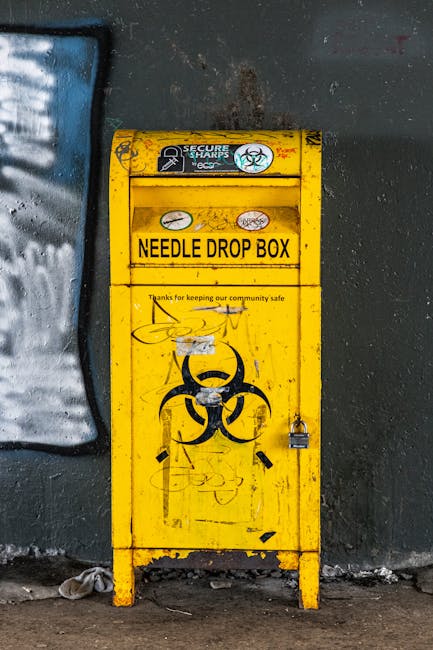
Batteries, fluorescent tubes, paint, solvents, cleaning chemicals, medicines, needles, gas cylinders, and some electrical items should not go into general household waste. Keep them in a clearly labelled container away from children and pets until you can take them to an appropriate collection point or disposal route.
-
4. Pack sharp, dirty, or breakable items safely
Wrap broken glass, put sharp metal edges away from bag surfaces, and seal loose fragments before moving them. If you are disposing of crockery, mirrors, or smashed household items, double-bag them or place them in a rigid container. The aim is to avoid punctures and prevent injury during handling.
-
5. Use the correct bin for each waste type
Check your local council's guidance because bin rules can vary. Some councils collect food waste separately, some accept mixed recycling differently, and some provide garden waste collections. Do not assume one area's rules match another's. If you live in an apartment, there may also be shared-bin instructions to follow.
-
6. Deal with bulky items using the right route
Large items such as beds, mattresses, fridges, sofas, wardrobes, or garden furniture usually need council collection, a recycling centre drop-off, reuse donation, or a private clearance service. For homes with limited access, stairs, or no lift, a professional collection service can reduce the risk of damage and strain. You can compare service types with pages like large item collection, mattress disposal, or fridge disposal.
-
7. Label anything uncertain and keep checking it
If you are not sure whether an item is recyclable or classed as special waste, keep it separate until you can confirm. That extra pause is safer than guessing. A small "unsure" box in the utility room or cupboard can be genuinely helpful during a clearance week.
-
8. Move waste out of the home carefully
Use sturdy bags, avoid overfilling, and don't drag heavy items across floors if you can avoid it. Protect hallways and door frames when moving sharp or dirty waste. If you have a lot of items, do the move in rounds rather than trying to carry everything in one go.
-
9. Choose the final disposal route
After sorting, decide whether each category should go to household bins, council services, a recycling centre, donation, or a specialist collection company. If you need help arranging a larger uplift, the relevant options on bulk waste collection and waste collection can be a useful next step.
-
10. Clean the area afterwards
Once the rubbish is gone, wipe down the space, remove residue, and check for spills, broken debris, or odours. This is especially important after food waste, bathroom waste, or anything that may have leaked. A few minutes here saves a lot of unpleasant surprises later.
Expert Tips for Better Results
In our experience, the households that manage waste best are not the ones with the fanciest bins. They are the ones with a repeatable system. That could be as basic as one caddy for recycling, one tub for batteries, and one bag for general waste. Straightforward beats complicated almost every time.
- Keep a small "special items" container: use it for batteries, light bulbs, cables, and tiny electronics.
- Flatten cardboard and rinse containers lightly: cleaner recyclables are more likely to be accepted.
- Separate food from packaging early: it helps reduce smells and contamination.
- Plan bulky waste before it becomes urgent: a sofa blocking the hallway is a planning problem, not just a storage problem.
- Check access before collection day: clear pathways, remove obstructions, and measure awkward doorways if needed.
- Use gloves for sharp or dirty items: basic protection is worth it.
One useful habit is to set disposal dates around your cleaning routine. If you are already arranging a full home clean, declutter, or tenancy tidy-up, it makes sense to align waste removal with services such as upholstery cleaning in W10 or carpet cleaning in W10 so the home feels truly finished, not half-done.
Another tip: avoid letting waste sit "temporarily" for too long. Temporary piles have a way of becoming permanent furniture. Nobody means for that to happen, but somehow it does.
Common Mistakes to Avoid
Most rubbish disposal problems come from a few predictable mistakes. Avoiding them is easier than fixing them after the fact.
- Mixing hazardous items into general waste - this can create safety and handling risks.
- Overfilling bags - they split more easily and are harder to move safely.
- Ignoring local collection rules - councils do vary, so check before you put items out.
- Leaving food waste open - it attracts pests and creates odours quickly.
- Throwing away reusable items too soon - donation or reuse is often the better first option.
- Assuming all electricals are the same - some are accepted differently depending on condition and type.
- Dumping bulky items outside without arranging collection - that can lead to issues, complaints, or fly-tipping concerns.
A simple test helps: if an item could leak, puncture, burn, or contain a chemical, treat it as something that deserves a second look before disposal.
Tools, Resources and Recommendations
You do not need much equipment to dispose of household rubbish safely, but a few basic tools make the process much easier and safer:
- strong bin bags or rubble sacks for heavier waste
- reusable boxes or tubs for sorting items
- gloves for sharp, dirty, or dusty waste
- labels or sticky notes for separating special items
- tape or string for bundling cables and small items
- a torch for lofts, garages, or under-sink storage
For larger clearances, compare the practical route that suits your household best. Council collection can be cost-effective for some items, while a private service may be better if you need speed, stair access help, or mixed-item uplift. Pages such as rubbish removal, waste removal, and furniture disposal can help you understand the service style you need.
If you are clearing out after a renovation or a big home update, related services like builders waste clearance and home clearance may be more relevant than a standard bin-based approach.
For readers in and around West London, useful supporting service information is also available from trusted local pages such as about us and insurance and safety when you want to understand a provider's professionalism before booking.
Law, Compliance, Standards, or Best Practice
UK household waste should be disposed of in line with local authority guidance and general duty-of-care principles. In plain English, that means you should not pass waste to someone who is not authorised or rely on informal dumping, and you should make reasonable efforts to keep waste sorted and safe for collection.
For householders, the most important practical point is this: follow your local council's collection rules, especially for recycling, food waste, bulky waste, and items that need separate handling. Councils may differ in what they accept, how they want items prepared, and when collections happen. Always check the current local guidance rather than relying on old habits or advice from another borough.
Special care is often needed for:
- batteries and battery-containing items
- electrical equipment and cables
- paint, solvents, and household chemicals
- sharp objects and broken glass
- fridges, freezers, and other appliances containing refrigerants
When using a private rubbish removal company, it is sensible to confirm that the business has clear safety and environmental practices, as well as proper terms, pricing, and insurance information. That is especially useful for larger clearances or access-sensitive jobs. Supporting pages such as insurance and safety and recycling and sustainability can be a helpful benchmark for what a responsible provider should explain clearly.
Options, Methods, or Comparison Table
Different disposal methods suit different situations. The best choice depends on how much waste you have, what kind of waste it is, and how quickly it needs to leave the property.
| Method | Best for | Pros | Watch-outs |
|---|---|---|---|
| Household bin collections | Everyday general waste and some recycling | Simple, routine, usually low effort | Limited capacity, local rules vary |
| Council bulky waste collection | Large items like mattresses, sofas, and cabinets | Convenient and often familiar | Booking times can vary; item rules may apply |
| Recycling centre drop-off | Sorted household waste, electronics, garden items | Good for sorting and responsible disposal | Requires transport, loading, and time |
| Donation or reuse | Usable furniture and working items | Best environmental outcome, helps others | Items must be in acceptable condition |
| Private rubbish removal service | Mixed waste, urgent clearances, awkward access | Fast, flexible, removes heavy lifting | Pricing and service scope should be checked carefully |
For many households, the most efficient answer is a combination of methods rather than a single route. Everyday waste goes in the bin. Reusable items get donated. Bulky pieces are collected. Specialist items go where they are supposed to go. That layered approach is usually the safest and least stressful.
Case Study or Real-World Example
Consider a typical London flat after a busy year of living: the spare room has become a storage space, the utility cupboard has old batteries and half-used cleaning products, there is a broken desk chair, and a mattress needs replacing. Nothing dramatic, just a normal build-up of household clutter.
A sensible approach would look like this:
- sort all loose items into keep, donate, recycle, and dispose piles
- move reusable books, kitchenware, and small furnishings into the donate pile
- separate batteries, cables, and small electricals into a dedicated box
- wrap the broken chair parts so they are safe to carry
- book mattress disposal or bulky waste collection for the large item
- use general collections only for the non-recyclable remainder
That process usually saves more time than trying to deal with everything in one rushed session. It also leaves the home in much better shape afterwards, because the waste problem and the cleaning problem are handled together instead of separately.
For households near busy residential areas, local awareness matters too. If you're already reading neighbourhood guidance like local advice on Notting Hill living or planning around a move in a high-demand area, waste and cleaning routines tend to go hand in hand. Keep the workflow tidy and the whole experience becomes much easier.
Practical Checklist
Use this quick checklist before you put anything out for disposal:
- Have I separated recycling, general waste, food waste, and bulky items?
- Are any items reusable, repairable, or suitable for donation?
- Have I isolated batteries, chemicals, sharps, and other special items?
- Have I wrapped or boxed broken glass and sharp edges safely?
- Do I know my council's current collection rules?
- Is the bag or container strong enough for the weight?
- Do I need help moving a large item down stairs or through narrow spaces?
- Have I arranged the correct service for mattresses, fridges, sofas, or other bulky waste?
- Have I cleaned up spills or residue before storage or collection?
- Is everything kept away from children and pets until collection day?
If you can tick all ten, you are in very good shape.
Conclusion
Safe household rubbish disposal in the UK is not complicated, but it does reward a bit of structure. Sort waste early, keep risky items separate, match each item to the right disposal route, and check local council guidance before you act. That small amount of organisation protects your home, helps the environment, and reduces day-to-day friction.
The bigger lesson is that waste disposal works best when it is part of a simple home routine. If you are already cleaning, decluttering, or preparing for a move, line up disposal and cleaning together so the whole space can be reset properly. It is cleaner, safer, and less stressful.
If you need support with larger clear-outs, bulky items, or a more efficient disposal plan, compare your options carefully and choose the route that fits your home, access, and timeline.
Get a free quote today and see how much you can save.
Frequently Asked Questions
What is the safest way to dispose of household rubbish in the UK?
The safest method is to sort waste by type, keep hazardous or sharp items separate, and use the correct route for each category. General waste, recycling, food waste, bulky items, and special waste should not all be treated the same.
Can I put broken glass in my general household bin?
Sometimes, but it should be wrapped securely and handled carefully so it cannot injure anyone. If possible, place it in a rigid container or double-bag it before disposal, and always follow local council guidance.
What household items should never go in a normal bin bag?
Batteries, chemicals, paint, needles, gas cylinders, and some electrical items should not go in normal bin bags. These items often need specialist disposal or a separate collection route.
How do I dispose of an old sofa or mattress safely?
Use a council bulky waste service, a recycling route, donation if the item is suitable, or a private removal company. Sofas and mattresses are awkward to move, so it is worth planning the access route before collection day.
Is it better to use council collection or a private rubbish removal service?
It depends on timing, item type, and volume. Council collection can be suitable for standard bulky items, while private rubbish removal is often better for urgency, mixed waste, difficult access, or larger clear-outs.
Do I need to clean containers before recycling them?
A light rinse is usually enough for food and drink containers. They do not need to be spotless, but they should not be heavily contaminated. Overly dirty recycling can affect collection and processing.
How should I store batteries and small electrical items before disposal?
Keep them in a dry, separate container away from heat and moisture. Tape over battery terminals where appropriate, and store items so they cannot leak, short-circuit, or get mixed up with general rubbish.
What should I do with leftover paint or cleaning chemicals?
Do not pour them into sinks or place them in ordinary bin bags. Keep them sealed and check whether your local council, household waste centre, or a specialist service accepts them.
Can I leave bulky waste outside my home for collection?
Only if it has been arranged and your council or service provider says that is acceptable. Unplanned dumping outside can cause safety issues and may be treated as fly-tipping or an obstruction.
How do I know if an item can be donated instead of thrown away?
Ask whether it is clean, complete, working, and likely to be useful to someone else. Furniture, small appliances, books, toys, and kitchenware are often suitable if they are in decent condition.
What if I have a lot of rubbish after a move or renovation?
Break the job into categories first, then decide whether each one should go to household bins, recycling, bulky collection, or a private clearance service. For large clear-outs, a combined waste and cleaning plan is usually the most efficient approach.
Are there any UK rules I should be especially careful about?
Yes. Always follow local council guidance, and take particular care with hazardous items, electricals, and bulky waste. If you use a private company, make sure their safety, insurance, and disposal practices are clearly explained.
How can I make rubbish disposal easier at home every week?
Use a simple sorting setup, keep a special-items box, flatten cardboard, and avoid letting waste build up. A few minutes of regular sorting is far easier than a last-minute clear-up.